Vehicles · 7 min read · Updated 2026-10-29
4WD campervan hire in Australia: how to choose without overspending
Half the people who hire a 4WD camper in Australia do not need one, and half the people who hire a 2WD camper discover on day three that they do. The deciding factor is a short list of specific roads, not a general feeling about adventure.
In this guide
- 01 What a 4WD camper actually gives you
- 02 Roads that genuinely require 4WD
- 03 Roads where people wrongly think they need 4WD
- 04 Running costs are not the same
- 05 The decision rule
What a 4WD camper actually gives you
Three things: clearance and traction for unsealed roads, a stronger drivetrain for corrugations and creek crossings, and usually more water and power capacity because the routes it is built for are remote. A 4WD camper is not faster or more comfortable than a 2WD on sealed roads — it is heavier, thirstier and harder to park.
The Australian fleet splits into two-berth and five-berth 4WDs. A two-berth 4WD suits couples who want to sleep inside; a five-berth with dual rooftop tents suits families and groups.
Roads that genuinely require 4WD
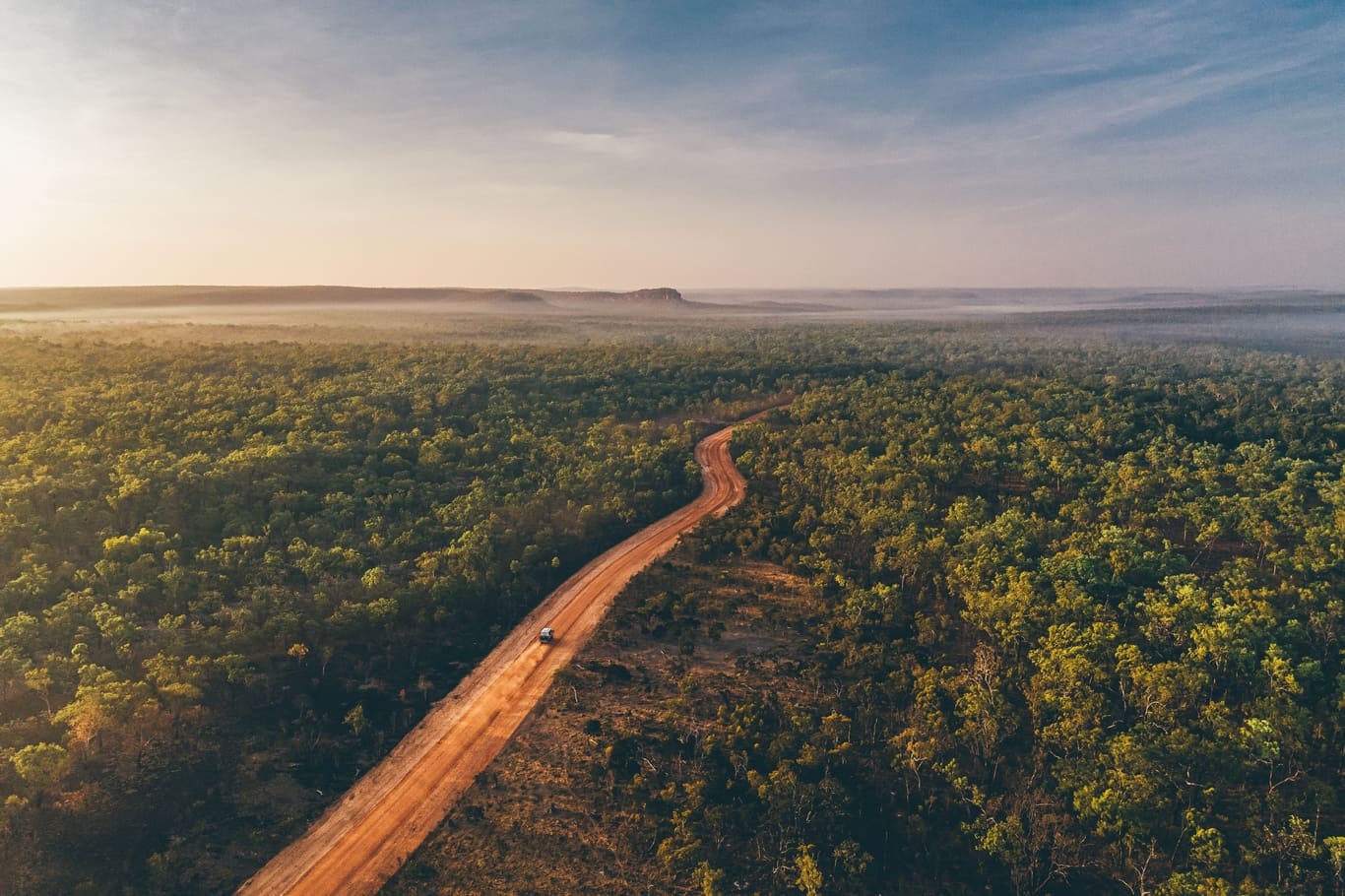
The Gibb River Road in the Kimberley. Cape York beyond the Laura turnoff. The Bloomfield Track north of Cape Tribulation. Fraser Island and Moreton Island, both of which require a 4WD and a permit. The Oodnadatta Track and the Birdsville Track in the Flinders. Most of the Kimberley outside the sealed highway.
Anything on that list is a hard requirement, not a preference. Vehicle damage from taking a 2WD onto them is not covered by insurance, and recovery costs run into four figures.
Roads where people wrongly think they need 4WD
The sealed loop to Uluru and Kings Canyon. The Great Ocean Road. Cape Range's main access road and Turquoise Bay. Karijini's main gorge car parks. The Daintree road to Cape Tribulation, which is now sealed the whole way.
On all of those, a standard campervan is fine and cheaper by a wide margin. Hire the capability you will use, not the capability that sounds good.
Running costs are not the same
A loaded 4WD camper uses noticeably more fuel than a 2WD van, and remote fuel is expensive — outback stations charge a premium that can double the per-litre price. On a 2,000km remote route, the fuel difference alone can be a significant part of the trip budget.
Add the higher daily rate and you are looking at a substantially more expensive trip. That is fine if the route demands it. It is waste if it does not.
The decision rule
Write down every road you intend to drive. If more than one of them is on the genuine-4WD list, hire a 4WD. If none are, hire a campervan and spend the difference on campsites and tours. If exactly one is and it is a short detour, consider whether you can drop it.
Ready to price it
Check live availability for your dates
Rates move with season, class and pickup city. The booking engine shows the real price for the dates you actually want.
FAQ
Questions about this
Do I need a 4WD to drive the Gibb River Road?
Yes. It is a genuine 4WD route and 2WD vehicles are not permitted on parts of it.
Is a 4WD camper worth it for the east coast?
No, unless you are adding Fraser Island. The east coast highway route is sealed.
Can a 2WD campervan get to Uluru?
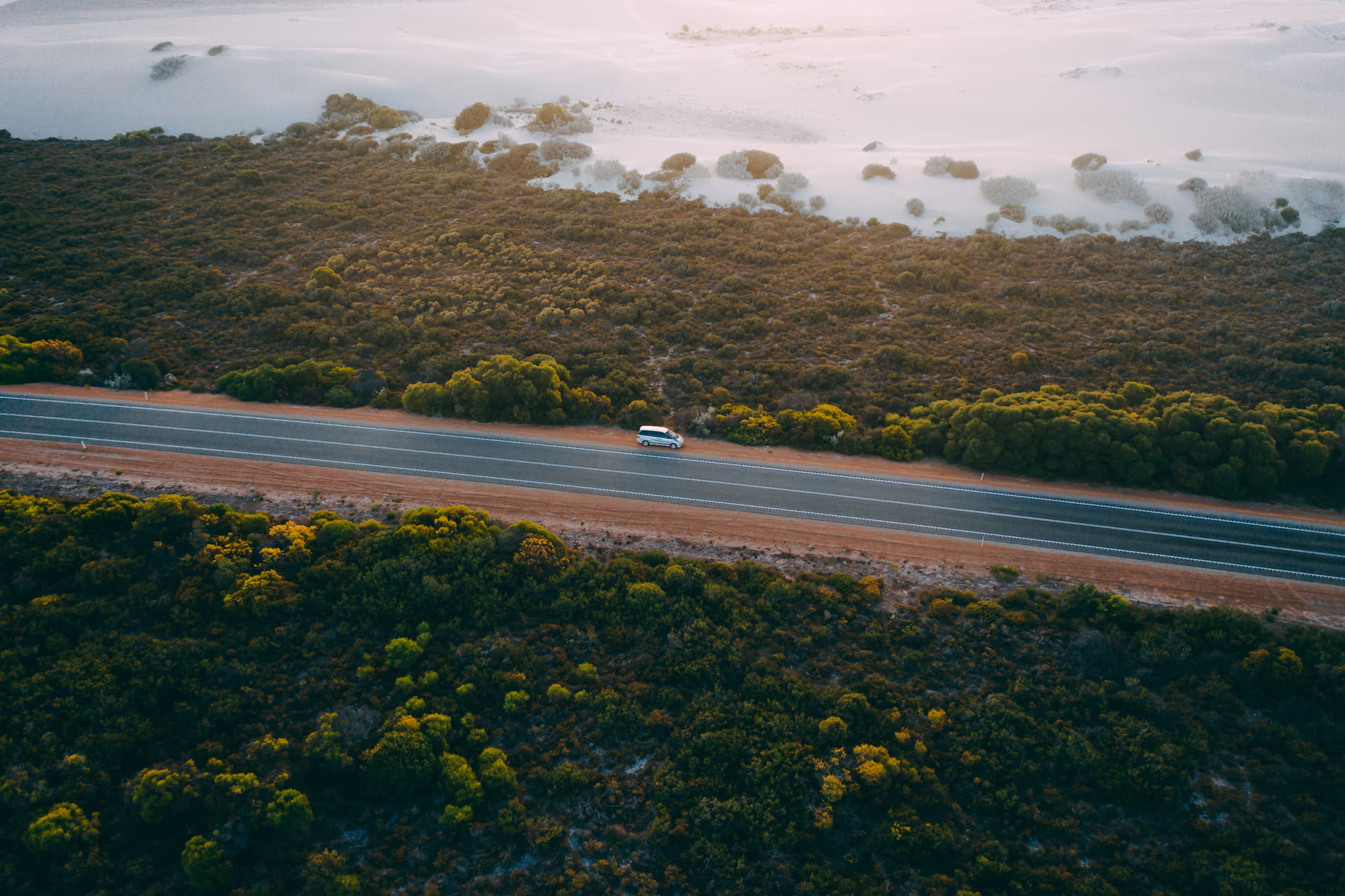
Yes. The Stuart and Lassetter Highways to Yulara are sealed.
More guides
All guides →
Find a camper for your trip
For drivers aged 21 and over. Continue to Wicked Campers for availability and prices.