Northern Territory
Backpacker campervan hire Alice Springs: explore the Red Centre
Alice Springs is a gateway to the Red Centre, where a road trip is as much about preparing for the distances as choosing the sights. A journey to Uluṟu and Kata Tjuṯa, a visit to Tjoritja / West MacDonnell National Park, or a combination of both needs time, water and a realistic plan for each day.
Depot address
30 Stokes St, Alice Springs, NT 0870
Opening hours
Monday-Friday 09:00-15:00, weekends closed. After-hours pickup may be available on request.
Phone
+61 481 606 805 Campervan hire in Alice Springs Continue to Wicked Campers for depot information.Find a camper in Alice Springs
For drivers aged 21 and over. Continue to Wicked Campers for availability and prices.
Routes that work from Alice Springs
Tjoritja / West MacDonnell National Park
Explore gorges and walks west of Alice Springs. Check the roads to the individual places you choose.
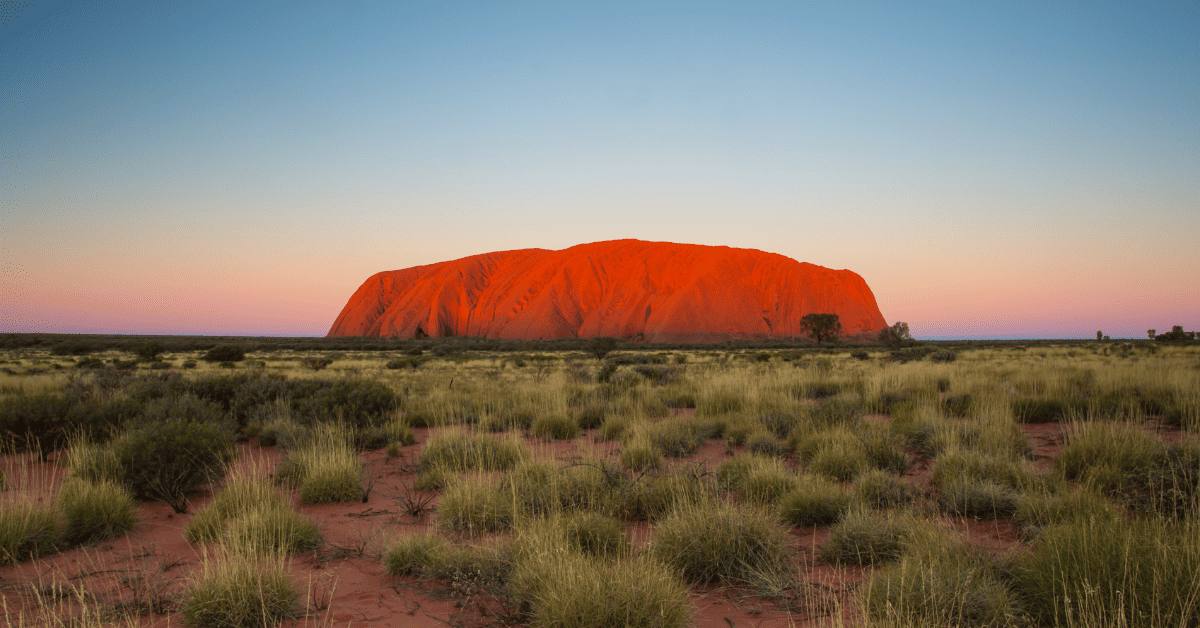
Uluṟu and Kata Tjuṯa
Allow time for the long drive and a stay near the park. Check park entry and cultural guidance before visiting.
Alice Springs to Katherine
Follow the Stuart Highway north with planned fuel, rest and overnight stops.
Alice Springs to Coober Pedy
Plan a southbound desert journey with water, fuel and daylight driving in mind.
Decide what fits your Red Centre trip
Tjoritja / West MacDonnell National Park offers gorges west of Alice Springs; Uluṟu–Kata Tjuṯa is a separate journey that deserves time for the drive as well as the park. Choose the experience you most want before fitting everything else around it.
For a brief visit, several places along Larapinta and Namatjira Drives can make a useful itinerary. If Uluṟu is the priority, plan an overnight base and the return or onward leg separately instead of treating it as an afternoon detour.
A few days west of Alice Springs
Stock up in Alice Springs, select a small number of sites and check the park’s current status for each. A morning walk, a long break during the warmer hours and a planned overnight stop can be more comfortable than crossing the park repeatedly.
The NT parks camping page distinguishes campsites suitable for different vehicles. Check the specific access road and reserve a designated site using the current system; take your own drinking water and review facilities before leaving town.
When planning your dates, compare campervan hire in Alice Springs. This link takes you to Wicked Campers for current vehicle and depot details.
Give Uluṟu and Kata Tjuṯa their own time
On a longer trip, allow time to travel towards Uluṟu, stay near the park and explore the walks and viewpoints that suit your group. Think about sunrise or sunset as part of an overnight plan rather than a reason to drive tired after dark.
Read the park’s Traditional Owner guidance, photography restrictions and current opening information. Add Kings Canyon only after checking how the extra drive, overnight stop and available days fit together.
Fuel, water and daylight
On an outback itinerary, mark the places where you intend to buy fuel and food, then check their current hours before departure. Carry sufficient drinking water for the driving day as well as for each walk, and take rest breaks before fatigue becomes a problem.
A route suggested by a navigation app may include unsealed roads. Check current NT road conditions and confirm the intended road is suitable for the vehicle before departing. Our outback driving guide covers the preparation in more detail.
- Mark fuel and food stops and check their opening hours.
- Carry drinking water for driving and for each walk.
- Check road and campground access before leaving town.
Make a heat and weather plan
Desert temperatures vary across the day and season. Start walks when conditions are suitable, carry sun protection and water, and leave the hottest part of the day flexible. A short walk with enough water is better than a longer route that exceeds your group’s experience.
Before choosing a campsite, check shade, toilets, water, access and the forecast. If rain or a closure affects the route, stay put or choose an approved alternative rather than relying on an unverified shortcut.
A practical Tjoritja camping choice
If Ormiston Gorge or Ellery Creek is on the shortlist, begin by checking current access and the NT park listing. The park identifies both among its 2WD campsites, but road and walk conditions can still change; check the specific campsite and the vehicle agreement before departure.
Book through the current NT parks system rather than counting on payment at the campground. Take your own water and check toilets and current fire rules, then decide whether a single base or a return to Alice Springs best suits the rest of your itinerary.
A longer Red Centre sequence
A trip of several weeks need not mean a new attraction every day. For example, shop and rest in Alice Springs, spend time at chosen West MacDonnell sites, return to replenish supplies, then plan Uluṟu and Kata Tjuṯa as a separate stage.
Map the actual fuel and overnight stops between each stage and leave time to return or continue onward. Check access, visitor information and the opening conditions for each walk; adding Kings Canyon is a separate decision with additional driving and an overnight plan.
Plan with local information
Check current conditions, park access and camping arrangements with the relevant local authorities.
Local questions
Planning a trip around Alice Springs
Can I visit the West MacDonnell Ranges from Alice Springs?
Yes. Tjoritja / West MacDonnell National Park lies west of Alice Springs, with gorges, walks and places to stop. Choose a few sites that fit your schedule and check access and conditions with the NT Parks service.
How should I plan an Alice Springs to Uluṟu trip?
Allow for a long drive each way or an onward journey, as well as time to experience Uluṟu and Kata Tjuṯa. Arrange your overnight stay, fuel stops and park entry in advance, and avoid depending on a late arrival.
What is important when driving in the Red Centre?
Plan fuel and water for the distance between stops, take breaks and check road conditions. Travel in daylight where possible and do not assume every mapped shortcut is a sealed road.
When should I walk in the Red Centre?
Conditions vary by season and from day to day. Check current weather and park advice, carry water and choose cooler times of day when heat is expected; some walks can close during extreme conditions.